

I used to think silence was my enemy. Early in my career, I believed great leaders were the ones who spoke first, spoke loudest, and filled every awkward gap with words. If there was a pause in conversation, I’d rush to fill it. If someone asked me a challenging question, I’d answer immediately, often before I’d fully thought through what I wanted to say. Sound familiar?
Truth is, I was confusing noise with impact. And here’s the thing. Most leaders make this exact same mistake every single day.
The real power in communication isn’t about how much you say. It’s about knowing when to say nothing at all. Research published in the Journal of Nonverbal Behavior shows that strategic pauses in speech significantly increase how persuasive and competent listeners perceive you to be. It’s a technique most professionals completely overlook.
The Problem: Why We Fear the Silence
Let’s be honest. Silence feels uncomfortable. Really uncomfortable.
When you’re presenting to senior stakeholders and the room goes quiet, your brain goes into panic mode. You start thinking, “They’ve lost interest” or “I’ve confused them.” Harvard Business Review notes that our internal dialogue during high-pressure moments can severely impact our performance.
But look. Most of the time, none of that’s actually happening. That silence you’re desperate to fill? It’s working for you, not against you. Your audience is simply processing. They’re absorbing what you just said. They’re preparing to engage more deeply.
The problem is, most of us never let them get there. We interrupt our own best moments with nervous chatter. We undermine our authority with filler words and half-formed thoughts. And we miss the opportunity to let our words land with real weight.
One CEO client described it this way: “I used to talk fast because I was nervous. I thought if I stopped, people would see through me. But all that talking just made me seem scattered. I wasn’t projecting leadership. I was projecting anxiety.”
Myth Buster: Silence Equals Uncertainty
The Myth: If you pause, people will think you’re unprepared or don’t know your material.
The Truth: Strategic pauses signal confidence, thoughtfulness, and control. Studies show that speakers who use purposeful silence are rated as more authoritative and credible than those who rush through their content.
The Solution: How Strategic Silence Makes You More Powerful
Here’s what changed everything for me and transforms communication for the leaders we coach at the Public Speaking Academy.
Silence isn’t empty space. It’s a tool. And like any tool, it works best when you know exactly how to use it.
Think about the most commanding speakers you’ve ever seen. The executives who own the room without raising their voice. The presenters who make you lean in rather than tune out. What do they all have in common?
They’re comfortable with stillness.
They understand that confident leadership communication isn’t about overwhelming people with information. It’s about creating space for ideas to resonate. When you pause before answering a question, you signal that you’re considering something important. When you pause after making a key point, you let that point carry weight.
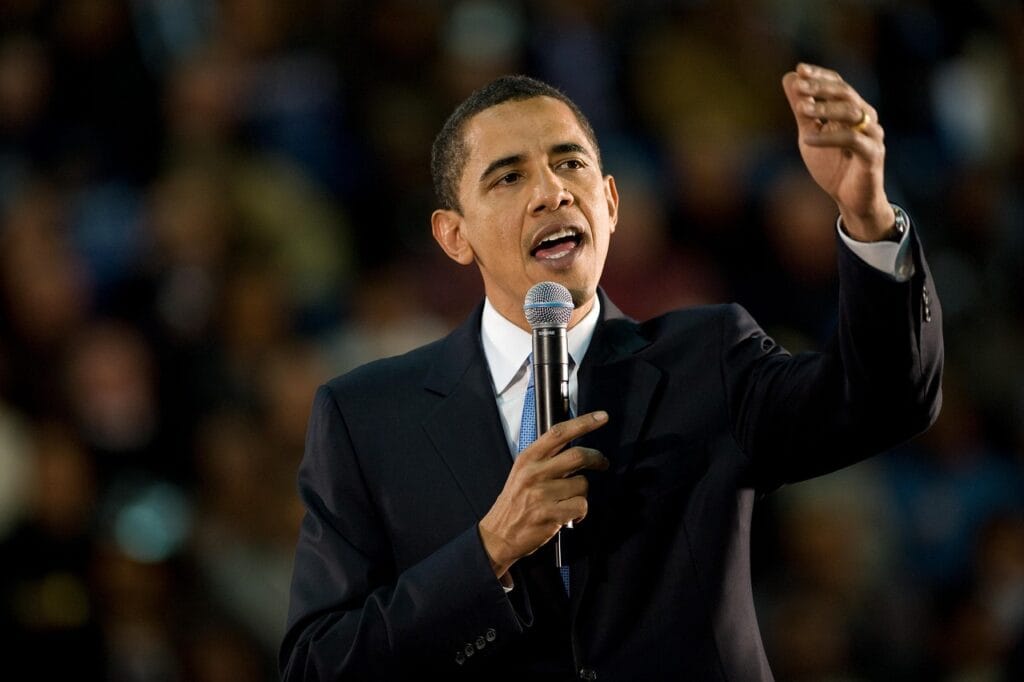
And that weight? That’s what commands attention.
The Proof: What Happens When Leaders Embrace the Pause
Let me share a real example from our executive presence coaching work. A regional manager, technically brilliant and consistently delivering results, was repeatedly passed over for promotion because leadership felt he “lacked presence.”
His problem wasn’t what he was saying. It was how quickly he was saying it. He rushed through presentations, filled every pause with nervous energy, and never allowed his points to land with impact.
We introduced what we call the “3-Second Rule.” Before answering any question, he would pause for three seconds. Before making an important point, he would pause. After saying something significant, he would pause again.
At first, it felt unnatural to him. He described it as “terrifying.” But within weeks, colleagues started commenting on his “new composure.” Teams noted he seemed “more decisive” and “more strategic.”
Within eighteen months, he was leading a global organisation. Speaking at international conferences. Running town halls for 500+ employees. The transformation wasn’t about learning to say more. It was about learning to say less, with greater intention.
As he put it: “I used to speak to prove something. Now, I speak because I believe in what I’m building, and people believe me.”
How to Practise Strategic Silence Starting Today
You don’t need months of training to start using silence as a leadership tool. Here are three techniques you can implement immediately:
1. The Pre-Response Pause
When someone asks you a question, especially a challenging one, count to three in your head before responding. This isn’t about hesitating. It’s about demonstrating that you’re processing thoughtfully. It also gives you a moment to craft a precise, impactful answer rather than a rambling, unfocused one.
2. The Power Pause After Key Points
After delivering something important, stop talking. Let your words sit in the room. This applies whether you’re presenting to a board, leading a team meeting, or having a one-to-one conversation. That moment of silence tells your audience: “What I just said matters.” And they’ll respond accordingly.
3. The Intentional Slow-Down
Most nervous speakers talk too fast. It’s natural. You want to get through the discomfort quickly. But leadership communication requires a different pace. Practise speaking at 80% of your normal speed. Include deliberate pauses between sentences. It will feel almost painfully slow to you. To your audience, it will sound calm, confident, and in control.

Building Your Silence Muscle
Like any skill, becoming comfortable with silence takes practice. Start small. Use pauses in low-stakes conversations first. Notice how people respond differently when you give them space to process.
And be prepared for discomfort. Silence will feel unnatural at first. Your brain will scream at you to fill it. That’s normal. The leaders who command rooms aren’t immune to this discomfort. They’ve just trained themselves to sit with it.
Remember: every moment you resist the urge to fill silence with noise is a moment you’re building executive presence. You’re showing people that you’re comfortable with yourself, confident in your message, and worthy of their attention.
That’s the foundation of true leadership communication skills.
The Real Transformation
Here’s what surprised me most about embracing silence: it didn’t just change how others perceived me. It changed how I felt about my own communication.
When you stop rushing, you stop panicking. When you create space, you create clarity. And when you trust silence to do some of the work for you, you discover a level of presence you never knew you had.
One of our executive coaching clients described this shift beautifully: “I realised that giving myself time, and that time gives me power.”
That’s what strategic silence offers. Not just better communication, but a better relationship with your own voice and message.
[IMAGE: Senior executive practising three-second pause rule with confidence coaching]
If you’re ready to develop this skill further, our programmes on charismatic leadership include specific modules on using stillness and pacing to project authority. And for those preparing for high-stakes presentations or conference speaking, mastering the pause is often the difference between being heard and being remembered.
Your voice matters. Give it the space it deserves.
Tags: Executive Leadership Coaching, executive presence, Leadership Communication Skills, Strategic Pauses


