

Embarking on the journey of preparing for my first conference speaking engagement was both exhilarating and daunting. I vividly recall the moment I received the invitation; a mix of excitement and trepidation washed over me. The thought of standing in front of a room full of eager faces, all waiting to hear what I had to say, was both thrilling and terrifying.
I quickly realised that preparation was key to transforming my nerves into a confident performance. I began by mapping out a timeline, breaking down the tasks into manageable chunks. This approach not only helped me stay organised but also allowed me to focus on each aspect of my preparation without feeling overwhelmed.
As I delved deeper into the process, I discovered that preparation was not just about the content of my speech but also about understanding the audience. I spent time researching who would be attending the conference, their interests, and what they hoped to gain from my presentation. This insight proved invaluable, as it allowed me to tailor my message to resonate with them.
By the time the conference day arrived, I felt a sense of ownership over my material, which significantly eased my anxiety.
Choosing the Right Topic for Your Conference Speaking Debut
Selecting the right topic for my debut was perhaps one of the most critical decisions I faced. Initially, I was tempted to choose a subject that I thought would impress others, but I soon realised that authenticity was far more important. I reflected on my own experiences and expertise, ultimately deciding to speak about a project I had recently completed that had a profound impact on my professional journey.
This choice not only made me feel more passionate about the subject but also allowed me to share personal anecdotes that would engage my audience. In the weeks leading up to the conference, I sought feedback from colleagues and friends about my chosen topic. Their insights helped me refine my focus and ensure that it would resonate with the audience.
I learned that a well-chosen topic should not only reflect your expertise but also address the needs and interests of your listeners. By aligning my message with their expectations, I felt more confident that my presentation would be well-received.
Preparing Your Presentation for Success
Once I had settled on a topic, the next step was crafting a presentation that would effectively convey my message. I began by outlining the key points I wanted to cover, ensuring that each one flowed logically into the next. Visual aids became part of my preparation; I created slides that complemented my speech rather than overshadowed it.
As I worked on my presentation, I also focused on storytelling techniques. Drawing from personal experiences allowed me to create a connection with my audience, making my message more relatable.
I incorporated anecdotes that illustrated my key points, which not only made the content more engaging but also helped me remember the flow of my speech. By the time I finished preparing, I felt as though I had crafted a compelling narrative that would resonate with those in attendance.
Overcoming Nerves and Building Confidence
Despite all my preparation, nerves still crept in as the conference date approached. I vividly recall standing in front of the mirror, practising my speech while feeling a knot in my stomach. To combat this anxiety, I employed several techniques that helped me build confidence.
One effective strategy was visualisation; I imagined myself delivering a successful presentation, receiving applause and positive feedback from the audience. This mental rehearsal became a powerful tool in calming my nerves. Additionally, I sought opportunities to practice in front of my mentor, and a small group, before the big day.
Sharing my presentation with friends and colleagues not only provided valuable feedback but also allowed me to become more comfortable speaking in front of others. Each practice session helped me refine my delivery and build confidence in my material. By the time I stepped onto the stage, I felt prepared and ready to share my message with enthusiasm.
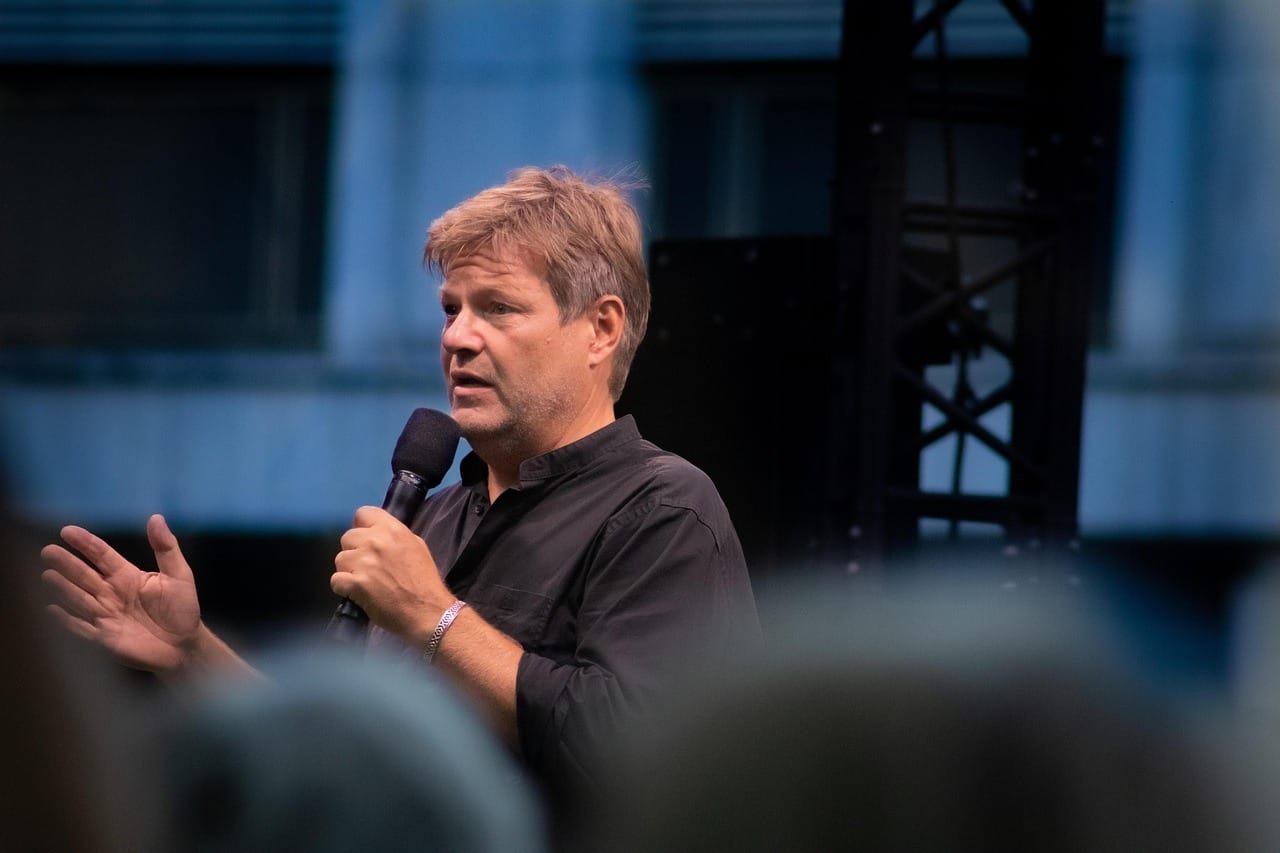
How to Open and Close Your Speech With Real Impact
The opening and closing of my speech were crucial elements that required careful consideration. I wanted to capture the audience’s attention right from the start, so I opted for a thought-provoking question that related directly to my topic. This approach not only piqued their interest but also encouraged them to think critically about the subject matter.
As I delivered my opening lines, I could see nods of agreement and curiosity in the audience’s faces, which further boosted my confidence. Equally important was crafting a memorable closing statement that would leave a lasting impression. After summarising my key points, I shared a personal reflection on what I had learned throughout my journey related to the topic.
This heartfelt conclusion resonated with many attendees, as evidenced by their enthusiastic applause and positive comments during the Q&A session that followed. By thoughtfully considering both the opening and closing of my speech, I was able to create a cohesive experience for my audience.
Tips for Engaging Your Audience
Engaging an audience is an art form that requires both skill and intuition. Throughout my presentation, I made a conscious effort to maintain eye contact with various members of the audience, creating a sense of connection and involvement. Additionally, I incorporated interactive elements such as asking questions and encouraging participation through brief discussions.
These moments not only broke up the flow of information but also fostered a sense of community among attendees. I also learned the importance of being adaptable during my presentation. When I noticed certain topics sparked more interest than others, I was willing to elaborate or pivot based on audience reactions.
This flexibility allowed me to create a more dynamic experience for everyone involved. By prioritising engagement throughout my speech, I felt a genuine connection with my audience, which ultimately made for a more enjoyable experience for both them and me.
The Importance of Rehearsing Your Speech
Rehearsing was an integral part of my preparation process that cannot be overstated. Initially, I practised alone in front of a mirror, but as confidence grew, I began rehearsing in front of others who provided constructive feedback. Each run-through helped me refine not only my delivery but also timing and pacing.
One memorable rehearsal involved recording myself; watching it back revealed areas where I could improve body language and vocal variety. As the conference approached, I made it a point to rehearse in various settings—standing up in front of an empty room or even pacing around my living room while delivering key points aloud. This variety helped me feel comfortable regardless of where or how I would be presenting on the day itself.
By investing time in rehearsing, I transformed what initially felt like an insurmountable challenge into an opportunity for growth and mastery.

Dressing for Success
The adage “dress for success” rang true as I prepared for my conference speaking debut. Choosing an outfit that made me feel confident was essential; it was important not only for how others perceived me but also for how I perceived myself on stage. After much deliberation, I opted for a smart yet comfortable ensemble that reflected both professionalism and authenticity—something that felt true to who I am.
On the day of the conference, as I donned my carefully chosen outfit, I felt an immediate boost in confidence. The right attire can have a profound impact on one’s mindset; it served as a reminder that I was prepared and ready to take on this challenge. Throughout my presentation, knowing that I looked polished allowed me to focus entirely on delivering my message rather than worrying about how I appeared.
Networking and Making Connections at Your Conference
One of the most rewarding aspects of attending conferences is the opportunity to network and forge connections with like-minded individuals. As someone who tends to be introverted, approaching strangers at first felt intimidating; however, I quickly realised that many attendees were just as eager to connect as I was. During breaks between sessions, I made it a point to engage in conversations with fellow participants, sharing insights about our respective fields.
I found that networking extended beyond casual conversations; it was about building relationships based on shared interests and experiences. After delivering my speech, several attendees approached me with thoughtful questions and comments about my presentation. These interactions not only reinforced the value of what I’d shared but also opened doors for future collaborations and friendships within my industry.
Embracing these opportunities allowed me to leave the conference not just with newfound knowledge but also with valuable connections that would last long after the event concluded.
Summary
- Choose a topic that you are passionate about and that will resonate with your audience
- Practice your presentation multiple times to ensure a smooth delivery and build confidence
- Use storytelling and personal anecdotes to engage your audience and make your speech memorable
- Dress professionally and appropriately for the conference to make a good impression
- Take advantage of networking opportunities to make connections and expand your professional circle
Tags: Audience, business speaker, conference speech, confidence, keynote speaking, Preparing Your Speech, Public Speaking, speech anxiety


